Grow Your Own Herbal Tea Pot at Home
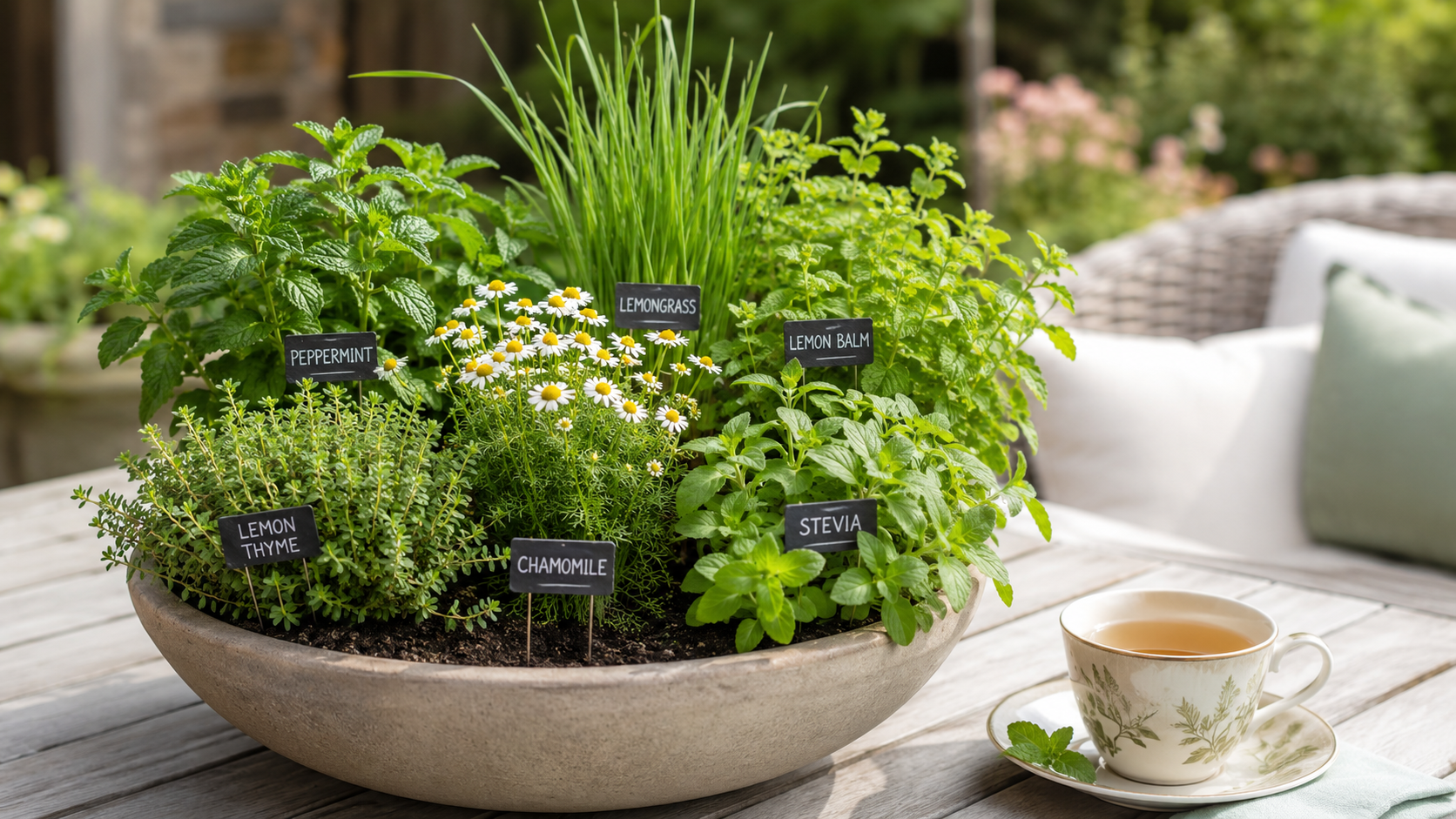
There is something special about making tea from herbs you grew yourself. A homegrown herbal tea pot is beautiful, useful, and easy to keep on a patio, balcony, porch, or sunny kitchen area. At Luvya Garden, we love simple garden projects that bring beauty and comfort into everyday life, and this herbal tea pot is the perfect place to start.
With just one large container, good soil, sunshine, and a few fresh herbs, you can grow your own relaxing tea garden at home.
Herbs to Include in Your Tea Pot
For a fresh, soothing, naturally sweet tea blend, plant:
Lemon thyme
Lemon thyme has a light citrus flavor with the earthy taste of thyme. It adds a bright, refreshing note to tea and is also wonderful for cooking. It is often enjoyed for its fresh aroma and gentle, comforting flavor.
Peppermint
Peppermint is cool, crisp, and refreshing. It is one of the most popular herbs for tea because of its clean mint flavor. Many people enjoy peppermint tea after meals or when they want something calming and fresh.
Chamomile
Chamomile is known for its soft, floral flavor and beautiful daisy-like flowers. It is a favorite evening tea herb because it feels gentle and soothing. The flowers can be harvested and steeped fresh or dried for later.
Lemongrass
Lemongrass adds a bright lemony flavor without being sour. Its tall green leaves also give your teapot height and texture. It pairs beautifully with mint, lemon balm, and chamomile.
Lemon balm
Lemon balm has a sweet lemon scent and a mild, cheerful flavor. It is a lovely herb for homemade tea blends and brings a fresh citrus taste to the pot.
Stevia
Stevia is a naturally sweet herb. A few fresh leaves can lightly sweeten your tea without adding sugar. It is especially nice when blended with peppermint, chamomile, or lemongrass.
How to Plant Your Herbal Tea Pot
Start by filling your container with fresh potting soil. Leave a little space at the top so water does not spill over when you water the plants.
Place the tallest herb, lemongrass, toward the back or center of the pot. It will give the container height and make a beautiful focal point.
Next, add peppermint and lemon balm where they have room to grow. These two herbs can spread quickly, so trim them often to keep the pot neat.
Add chamomile near the front or side, where the flowers can be seen and easily picked.
Plant lemon thyme around the edge of the container. It stays lower and looks lovely, spilling gently over the side.
Add stevia near the front or side so you can easily pinch a few sweet leaves when making tea.
After planting, water everything well and place the pot in a sunny spot. Most tea herbs enjoy at least 5 to 6 hours of sunlight each day.
How to Care for Your Tea Garden Pot
Keep the soil lightly moist, but not soggy. Containers dry out faster than garden beds, especially in warm weather, so check the soil often. If the top inch feels dry, it is time to water.
Trim your herbs regularly to encourage fresh growth. The more you gently harvest, the fuller many herbs will become.
Remove faded chamomile flowers and dry leaves to keep the pot looking fresh. If peppermint or lemon balm starts taking over, cut it back and enjoy the extra leaves in tea, lemonade, or infused water.
How to Make Fresh Herbal Tea
To make a simple homegrown tea, snip a small handful of fresh herbs. A lovely blend is:
A few chamomile flowers
One or two stevia leaves for sweetness
Add a slice of lemon if desired
Rinse the herbs gently. Place them in a teapot or mug, pour hot water over them, and let them steep for 5 to 10 minutes. Strain and enjoy.
A Beautiful Pot with a Purpose
An herbal tea pot is more than just a container garden. It is a small daily ritual. You can clip a few fresh herbs and make a cup of tea that feels personal, peaceful, and homegrown.
Whether you have a big garden or just a small patio table, this is a simple way to bring the joy of gardening into your home.
Grow it, steep it, and enjoy every sip — from your garden to your teacup. Let’s grow together!
Note: Herbal teas are a gentle everyday pleasure, but some herbs may not be right for everyone. Chamomile may bother people with ragweed allergies, and anyone pregnant, nursing, taking medication, or managing a health condition should check with a healthcare professional before using herbs regularly.